 From "Manufacturing" to "Smart Manufacturing": An Industrial Leap
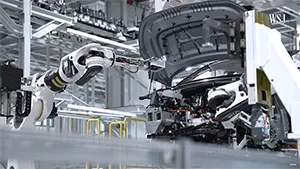
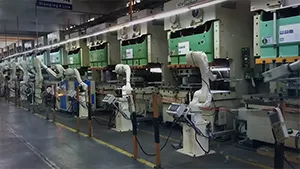
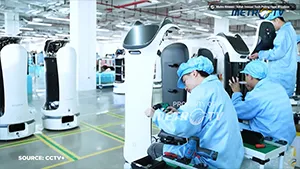
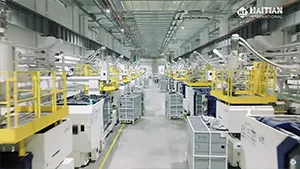
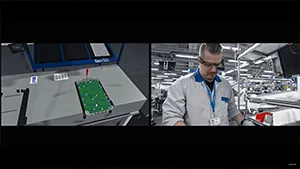
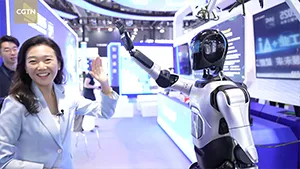
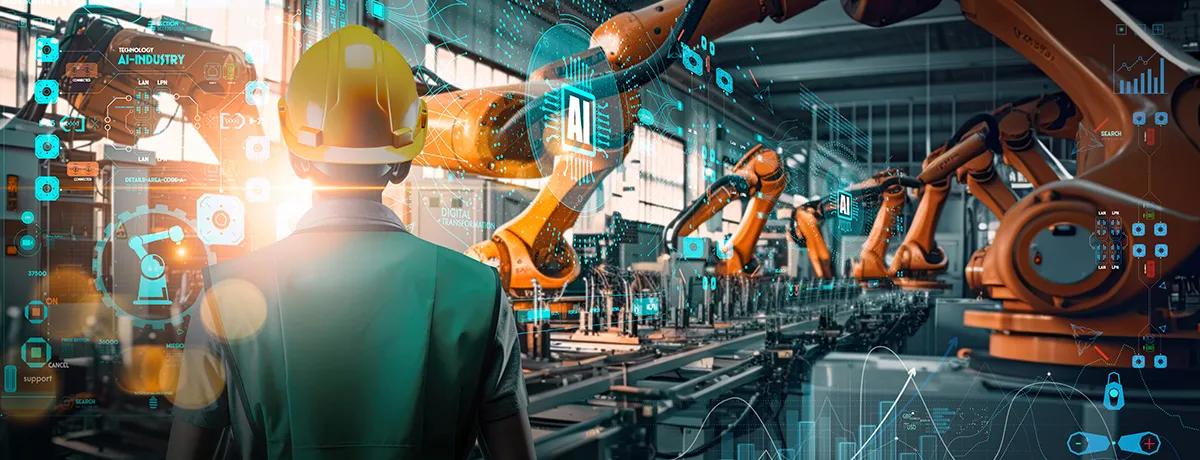
"In the wave of smart manufacturing, the plastics and rubber industry is undergoing a profound transformation. The deep integration of precision and digital technologies is reshaping production models and strengthening industry competitiveness. Traditional manufacturing has long relied on manual experience, facing challenges such as inconsistent quality and high energy consumption. Today, the widespread adoption of the Internet of Things (IoT), big data, and artificial intelligence (AI) is helping companies transition from “manufacturing” to “smart manufacturing.” Digital production lines make processes more predictable, optimized, and adaptive, significantly improving efficiency and product consistency.
Leading manufacturers are equipping their production lines with increasingly intelligent systems. For example, digital twin technology enables virtual testing of process parameters, dramatically reducing the need for trial molds. AI technology continuously optimizes production parameters in real time, ensuring consistent quality while lowering energy consumption. These innovations have allowed precision plastics production to excel across multiple sectors: in automotive, enabling the stable molding of lightweight, complex components; in medical, ensuring sterile and highly precise instrument manufacturing; and in E&E and packaging, meeting demanding aesthetic standards while supporting environmentally friendly materials.
According to Mordor Intelligence, the global market for digital transformation in manufacturing is projected to reach USD 440 billion in 2025 and grow to USD 847 billion by 2030. The industry is rapidly moving toward interconnected, data-driven Industry 4.0 production models. As 5G, 6G, and edge computing technologies mature, digital manufacturing will achieve higher levels of automation and intelligence, unlocking new value opportunities for the plastics and rubber industry and driving sustainable, high-quality growth.
As an industry benchmark, CHINAPLAS continues to lead this transformation. The exhibition serves as a launch platform for innovative technologies, showcasing leading smart solutions from around the world. It also acts as a hub for supply chain connectivity, fostering collaboration between technology and materials suppliers and users, and accelerating the adoption of digital technologies across diverse applications.
 Industry Related Products
Industry Related Videos