

From Waste to Wonder: How Recycled Plastics Are Transforming China’s Construction Sector — Discover the Future at CHINAPLAS 2026
Publish date: 2026-01-21
China is accelerating its transition toward sustainable materials, circular economy practices and low-carbon development. As cities upgrade their infrastructure and expand urban renewal projects, recycled plastics are emerging as a new force in construction. What if everyday waste could be transformed into durable, high-performance materials, reshaping public spaces, residential developments and commercial environments? This shift underscores the country’s growing commitment to resource efficiency and green innovation — and visitors can explore these advancements at CHINAPLAS 2026.

Recycled plastics have gained strong momentum in China’s construction sector. Driven by national sustainability goals and the rapid expansion of renovation projects, post-consumer recycled polymers, especially construction-grade recycled plastics, are increasingly being applied in outdoor decking, façades, architectural panels, municipal landscapes and infrastructure upgrades. The rising supply of renovation waste provides a stable material source, enabling the scalable use of recycled polymers. As demand for environmentally responsible materials continues to grow, recycled plastics are becoming a preferred option for developers and designers seeking lower environmental impact and improved efficiency.
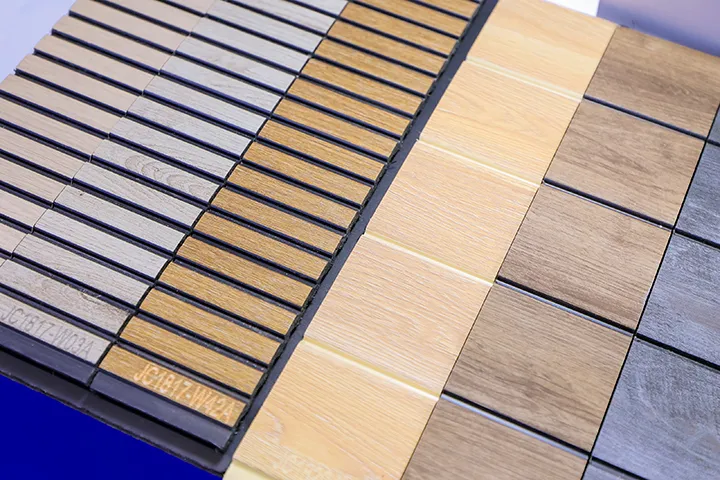
Alongside recycled plastics, wood-plastic composites (WPC) are experiencing a significant surge in adoption. Known for their durability, recyclability and cost effectiveness, WPC materials are being integrated into residential improvements, commercial projects and public landscapes. Developers and architects value these sustainable building materials for their ability to replace traditional wood or concrete, providing a longer lifespan and lower maintenance requirements. This momentum is creating new opportunities for recycled-material suppliers, compounders and extrusion and compounding machinery manufacturers — particularly those developing innovative solutions aligned with green construction materials trends.
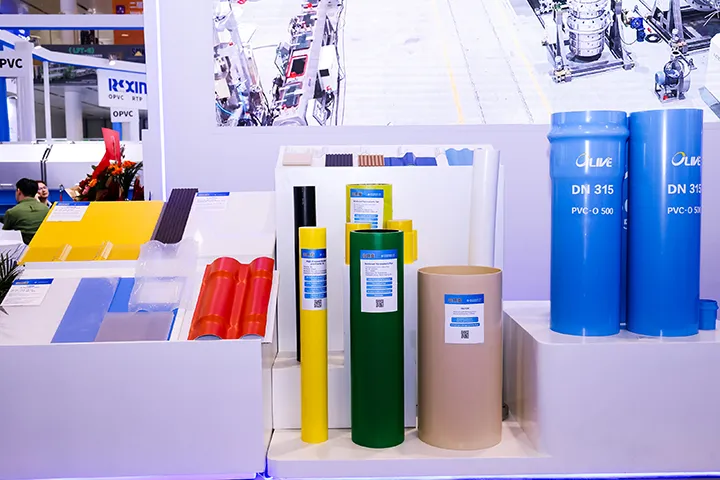
Circular innovation is now shaping the next phase of material upgrading. As China advances its circular manufacturing policies and energy-efficient processing technologies, companies investing in high-performance recycled resins, advanced composite systems, and plastics recycling technology are positioned to lead the market. The integration of sustainable materials into construction is no longer an emerging trend; it is becoming a core driver of green manufacturing across the country.
Against this backdrop, CHINAPLAS 2026 will serve as a vital platform for global industry professionals to explore the technologies supporting China’s circular development and sustainable material innovation. Taking place from April 21 to 24, 2026 at the National Exhibition and Convention Center (NECC), Hongqiao, Shanghai, the trade show will welcome more than 4,600 exhibitors across 390,000 square meters. Visitors will discover a comprehensive array of solutions, ranging from plastics recycling and reprocessing technologies to high-efficiency compounding equipment and low-carbon manufacturing materials tailored for next-generation construction sector. applications.
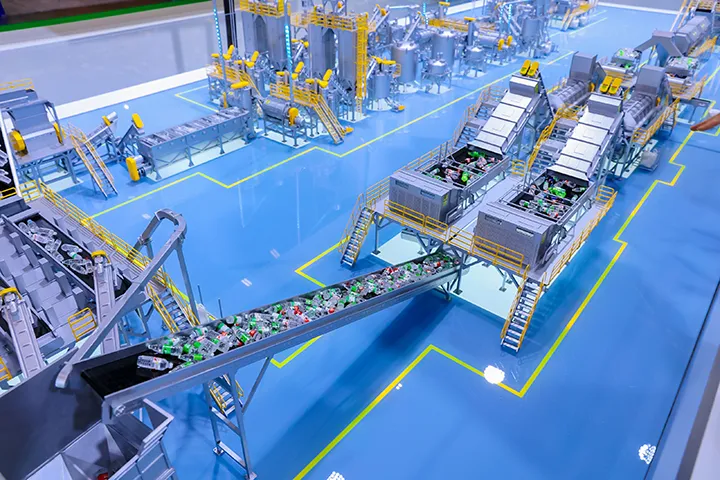
Exhibits will feature innovations such as environmentally friendly flame retardants, HDPE pipe extrusion lines, high-strength and weather-resistant polymers, materials resistant to extreme temperatures, erosion-control and anti-aging technologies, as well as multi-material and low-temperature extrusion processes. These offerings reflect the industry’s growing focus on sustainable materials, recycling technologies, and the broader movement toward circular economy plastics. As China continues to embrace a circular and low-carbon future, CHINAPLAS remains an essential destination for discovering the materials and technologies shaping tomorrow’s built environment.
Recycled plastics have gained strong momentum in China’s construction sector. Driven by national sustainability goals and the rapid expansion of renovation projects, post-consumer recycled polymers, especially construction-grade recycled plastics, are increasingly being applied in outdoor decking, façades, architectural panels, municipal landscapes and infrastructure upgrades. The rising supply of renovation waste provides a stable material source, enabling the scalable use of recycled polymers. As demand for environmentally responsible materials continues to grow, recycled plastics are becoming a preferred option for developers and designers seeking lower environmental impact and improved efficiency.
Alongside recycled plastics, wood-plastic composites (WPC) are experiencing a significant surge in adoption. Known for their durability, recyclability and cost effectiveness, WPC materials are being integrated into residential improvements, commercial projects and public landscapes. Developers and architects value these sustainable building materials for their ability to replace traditional wood or concrete, providing a longer lifespan and lower maintenance requirements. This momentum is creating new opportunities for recycled-material suppliers, compounders and extrusion and compounding machinery manufacturers — particularly those developing innovative solutions aligned with green construction materials trends.
Circular innovation is now shaping the next phase of material upgrading. As China advances its circular manufacturing policies and energy-efficient processing technologies, companies investing in high-performance recycled resins, advanced composite systems, and plastics recycling technology are positioned to lead the market. The integration of sustainable materials into construction is no longer an emerging trend; it is becoming a core driver of green manufacturing across the country.
Against this backdrop, CHINAPLAS 2026 will serve as a vital platform for global industry professionals to explore the technologies supporting China’s circular development and sustainable material innovation. Taking place from April 21 to 24, 2026 at the National Exhibition and Convention Center (NECC), Hongqiao, Shanghai, the trade show will welcome more than 4,600 exhibitors across 390,000 square meters. Visitors will discover a comprehensive array of solutions, ranging from plastics recycling and reprocessing technologies to high-efficiency compounding equipment and low-carbon manufacturing materials tailored for next-generation construction sector. applications.
Exhibits will feature innovations such as environmentally friendly flame retardants, HDPE pipe extrusion lines, high-strength and weather-resistant polymers, materials resistant to extreme temperatures, erosion-control and anti-aging technologies, as well as multi-material and low-temperature extrusion processes. These offerings reflect the industry’s growing focus on sustainable materials, recycling technologies, and the broader movement toward circular economy plastics. As China continues to embrace a circular and low-carbon future, CHINAPLAS remains an essential destination for discovering the materials and technologies shaping tomorrow’s built environment.
Pre-registration for CHINAPLAS 2026 is now open — secure early-bird benefits and be part of where innovation meets sustainability. Click here to register today.