Please note that the auto-translation function (beta) uses the 3rd-party tool to translate contents based on the English version of the website and it may occur incorrect results sometimes.
x

2027·4·13 - 16
Shenzhen World Exhibition & Convention Center (Bao'an), PR China

Quick Links:
Top Search Exhibitor
Top Search Product Category
Market News
Indonesia Forges a Green Future for Its Highly Dynamic Packaging & Automotive Industries
Publish date: 2026-02-09
As the largest economy in Southeast Asia, Indonesia is in an advantageous position as one of the world’s fastest-growing consumer markets. Rapid urbanization, growing purchasing power of young consumers with penchant for sophisticated, eco-friendly products, and government-initiated policies supporting industrialization are encouraging businesses to adopt smart manufacturing process and sustainable technologies. Despite the challenges posed by external environment, the country is set to retain its position as one of the regional leads especially in the market for plastics and rubber products. With support from government policies and downstream petrochemical industry, production of plastic products is seen as a key contributor in the expansion of leading sectors – such as packaging and automotive.
Indonesia’s plastics market size is projected to grow at a CAGR of around 6% during the period 2025-2033, according to a report by IMARC Group. This is expected to translate to a market value of US$14 billion by 2033. Contributing to this substantial increase is the rising demand from diverse end-use sectors, particularly packaging and automotive. In addition, the current pace of urbanization that encourages infrastructure development is pushing plastic consumption in construction and housing applications, further augmenting the Indonesia plastics market share, according to the report.
By production method, injection molding retains its lead with nearly 50% of the Indonesia plastics market supplied with injection molded products, owing to its versatility in the production of packaging, automotive and household products. Extrusion process ranks next as it is the method of choice in the production of plastic films, pipes and profiles; while blow molding is being utilized in the production of beverage containers, personal care and other related products.
Strategic Investments in Packaging for Sustainability
Indonesia’s plastics industry, in particular, is intensifying its move towards circular economy with the Extended Producers Responsibility (EPR) regulations becoming mandatory in 2025. The EPR law requires producers to manage their plastic waste throughout the supply chain to reduce its impact on the environment. The ongoing transition towards EPR compliance has been creating demand for intelligent manufacturing technologies and environmentally-friendly materials that enables the production of green packaging.
Several strategic investments in state-of-the-art production facilities are building a strong pillar for the growth of the packaging sector. For instance, AeroFlexx and Dynapack Asia have teamed up to deliver sustainable liquid packaging solutions to meet Extended Producers Responsibility (EPR) requirements. AeroFlexx’s technology enables lightweight flexible package designed to act like a rigid bottle using up to 85% less virgin plastic than traditional rigid bottles, and its partnership with Dynapack Asia, a prominent manufacturer of rigid plastic packaging and components, aims to respond to the growing demand for sustainable rigid packaging options.
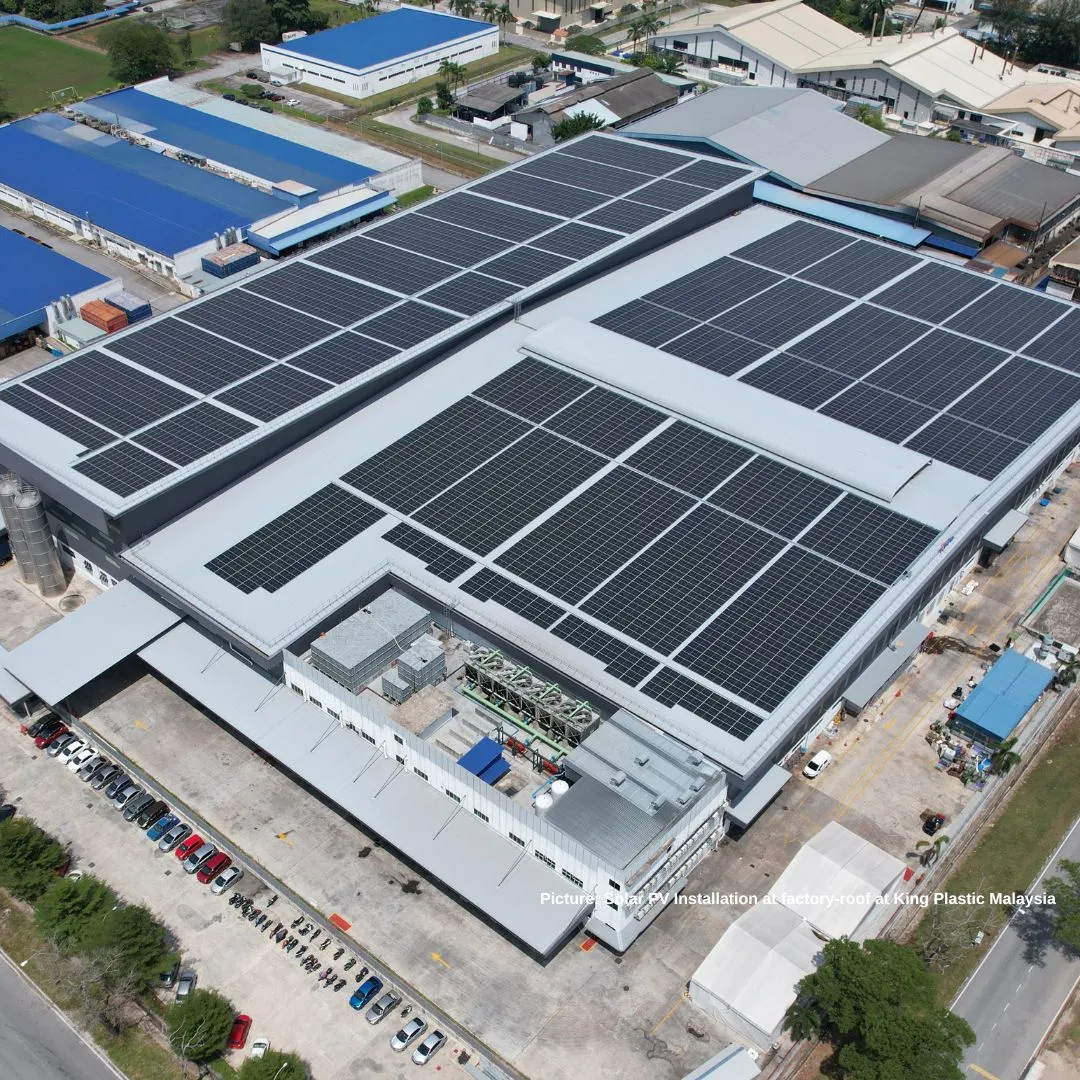
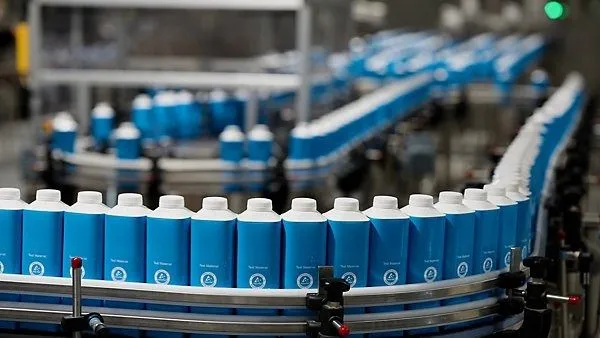
Indonesia has also seen the operations of its first end-to-end aseptic packaging factory with the inauguration of the second phase of PT Lami Packaging Indonesia (LamiPak Indonesia) facility. LamiPak is a major provider of high-quality, eco-friendly aseptic packaging solutions. The production facility also marks the first international expansion for the LamiPak Group, which has its main headquarters in Jiangsu Province, China. The aseptic packaging factory spans 16.2 hectares of land with a building area occupying more than 55,000 square meters. The plant is equipped with high-tech machinery, making it the most advanced green facility ever built by LamiPak. The production line has a total annual capacity of 21 billion packs.
As a significant emerging economy, Indonesian companies have been taking initiatives in working with international companies to develop sustainable packaging. One of them is PT Indoceria Plastik and Printing, which introduced full-PE recyclable packaging by working alongside ExxonMobil. By removing some other plastic constituents such as PET without sacrificing packaging integrity, the full-PE stand-up pouch can be recycled in communities with the related facilities in place to collect and recycle plastic films.
Automotive Sector Benefits from Lightweight Plastic Materials
The Indonesian government has set an ambitious goal of deploying 2 million electric vehicles (EV) and 12 million electric two-wheelers by 2030 as it aims to reduce carbon emissions. As the country embarks on the development of EVs, the notable entry of foreign EV manufacturers has been welcomed with domestic auto parts producers benefiting from increased demand. Substituting metals with plastics has favored the lightweighting goal of automotive manufacturing, and this has been clearly visible in Indonesia where high performance meets aesthetics.
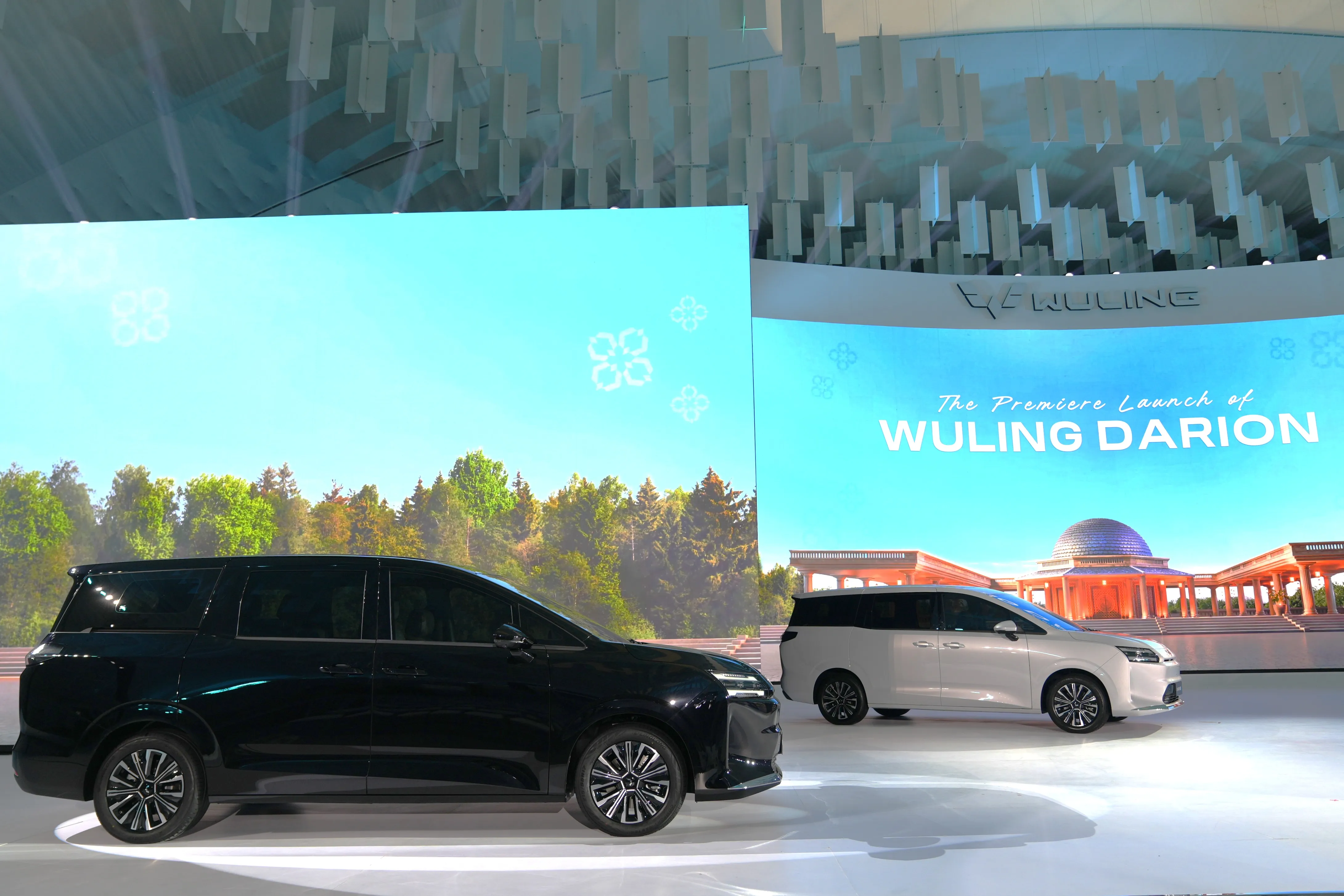
Innovative features and comfort along with price competitiveness are factors that have augured well for EVs from China. Wuling Motors Indonesia, which celebrated its 8th anniversary in 2025, continues to affirm its commitment to offer new products to the Indonesian market while also implementing various initiatives, such as the export of EVs to Sri Lanka and strengthening its CSR programs. Wuling Indonesia’s success is emphasized by the presence of its factories and assembly facilities for EV batteries in the country. Wuling Motors has recently launched Wuling Darion, the latest product line in the form of a sliding door MPV medium at the Spike Air Dome PIK2, marking an important step in Wuling's electrification commitment in Indonesia.
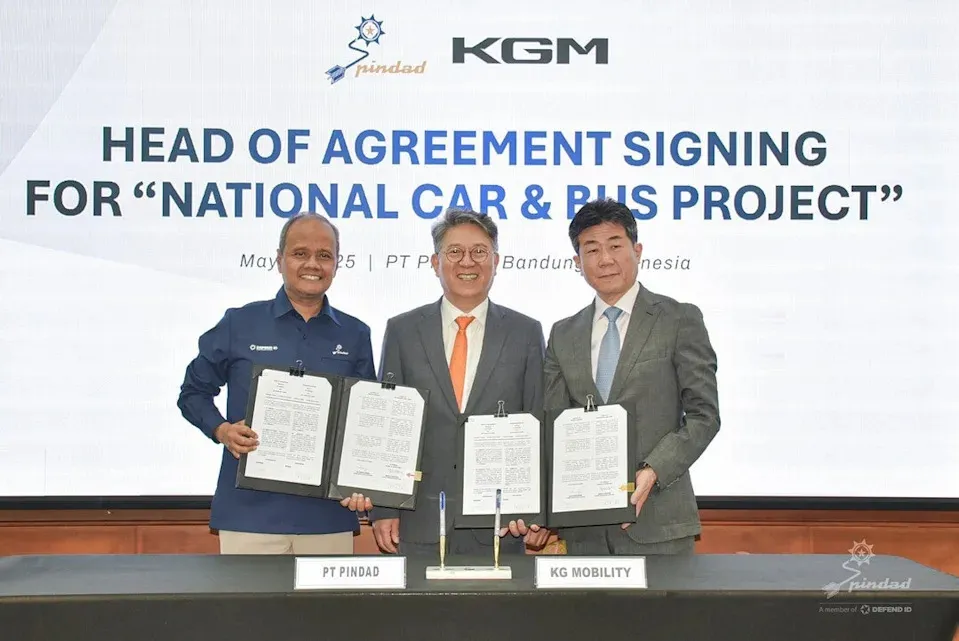
Indonesian state-owned defense company PT Pindad has signed a Heads of Agreement with South Korean automaker KG Mobility (KGM) Company in May 2025, for the production of vehicles for the Indonesian market. The agreement focuses on two key areas: the local assembly of KGM’s Rexton SUV, as well as the development and production of battery-powered buses for the local market. The signing ceremony was held at Pindad’s headquarters in Bandung, the provincial capital of West Java, and was attended by KGM chairman Kwak Jea-sun and CEO Hwang Ki-young, along with Pindad CEO Sigit P Santosa.
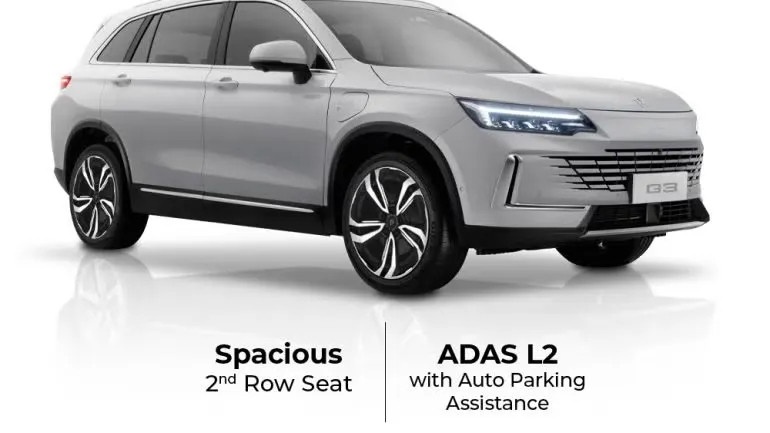
Another partnership has been established between Indonesian consumer electronics manufacturer Polytron, owned by the local Djarum Group, and China’s Skyworth Automobile Intelligence Company Ltd., for the launch of a locally-assembled battery electric vehicle (BEV) model. Polytron is a well-known producer of TVs, refrigerators, air conditioning systems and other household electronics in Indonesia that has embarked in the production of battery-powered motorcycles. It has become the first Indonesian company to launch a locally branded BEV based on the Skyworth K model with a driving range of 402 km and is powered by lithium ferro phosphate (LFP) 52 kW batteries.
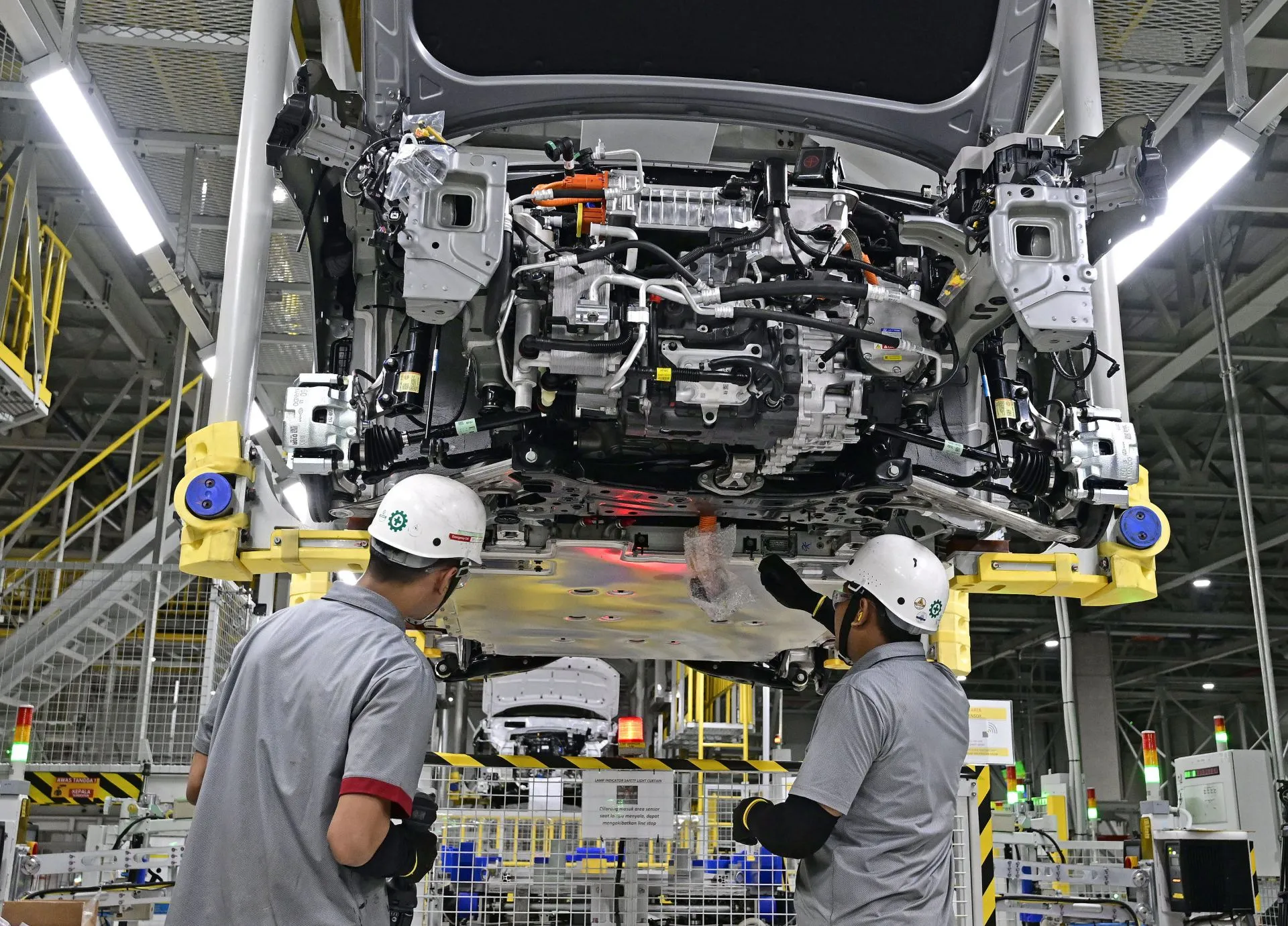
HLI Green Power is Hyundai Motor Group's subsidiary in Indonesia that produces battery cell. Mass production of the Kona, an EV model, will start under this subsidiary. The project is seen as an important step for Hyundai Motor in setting up an integrated production and sales system overseas - from battery raw material procurement to the final finished electric vehicle.
At CHINAPLAS 2026, Asia’s leading plastics and rubber trade fair, more than 4,600 exhibitors will present their latest innovations to support development of innovative technologies in Southeast Asia’s fast-growing plastics industry. Packaging and automotive manufacturers will be able to witness the demonstration of highly innovative solutions, manufacturing processes and high performance materials, which will help them stay competitive and meet market challenges.
Indonesia’s plastics market size is projected to grow at a CAGR of around 6% during the period 2025-2033, according to a report by IMARC Group. This is expected to translate to a market value of US$14 billion by 2033. Contributing to this substantial increase is the rising demand from diverse end-use sectors, particularly packaging and automotive. In addition, the current pace of urbanization that encourages infrastructure development is pushing plastic consumption in construction and housing applications, further augmenting the Indonesia plastics market share, according to the report.
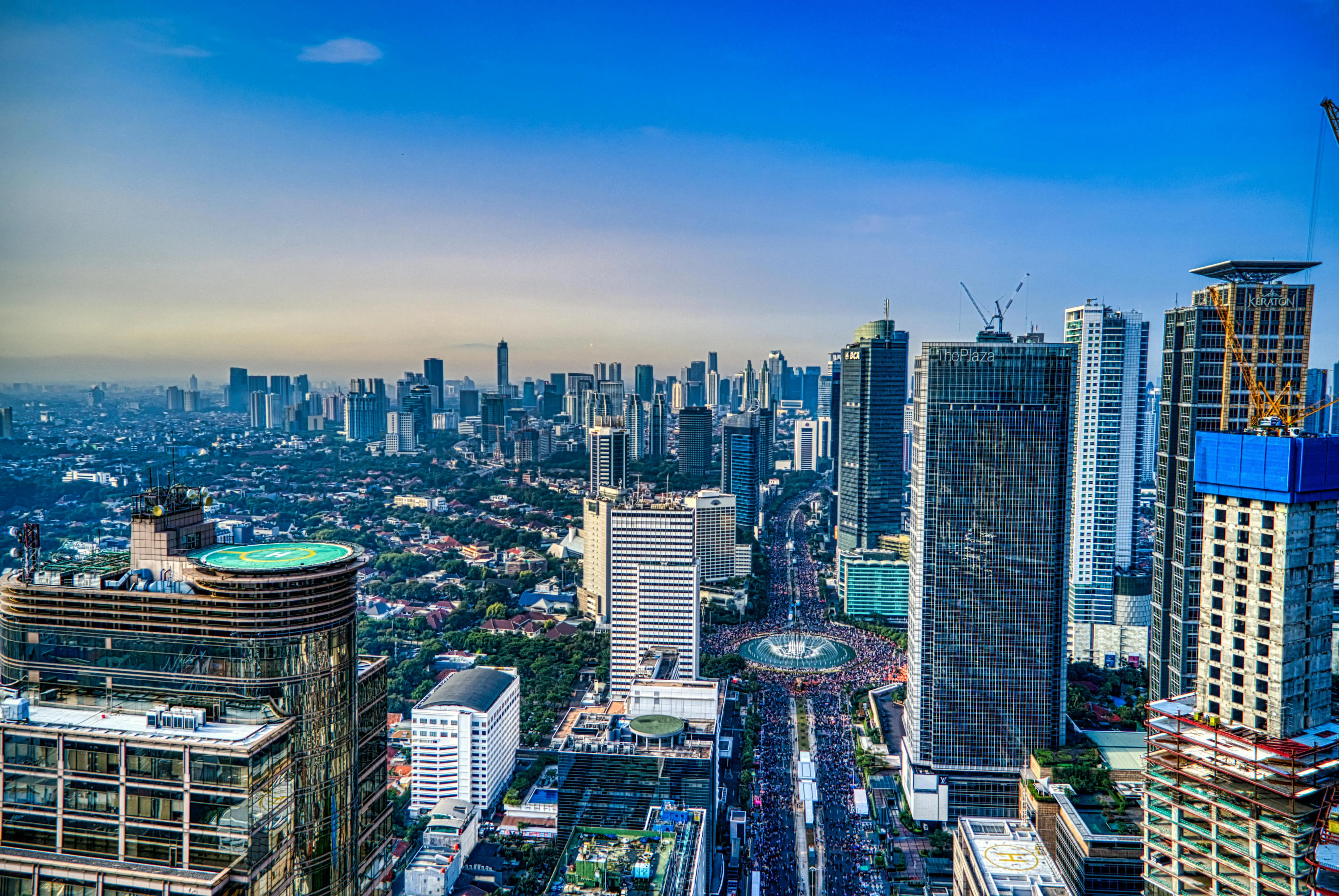
As the largest economy in Southeast Asia, Indonesia is in an advantageous position as one of the world’s fastest-growing consumer markets. (Image source: Pexels)
By production method, injection molding retains its lead with nearly 50% of the Indonesia plastics market supplied with injection molded products, owing to its versatility in the production of packaging, automotive and household products. Extrusion process ranks next as it is the method of choice in the production of plastic films, pipes and profiles; while blow molding is being utilized in the production of beverage containers, personal care and other related products.
Strategic Investments in Packaging for Sustainability
Indonesia’s plastics industry, in particular, is intensifying its move towards circular economy with the Extended Producers Responsibility (EPR) regulations becoming mandatory in 2025. The EPR law requires producers to manage their plastic waste throughout the supply chain to reduce its impact on the environment. The ongoing transition towards EPR compliance has been creating demand for intelligent manufacturing technologies and environmentally-friendly materials that enables the production of green packaging.
Several strategic investments in state-of-the-art production facilities are building a strong pillar for the growth of the packaging sector. For instance, AeroFlexx and Dynapack Asia have teamed up to deliver sustainable liquid packaging solutions to meet Extended Producers Responsibility (EPR) requirements. AeroFlexx’s technology enables lightweight flexible package designed to act like a rigid bottle using up to 85% less virgin plastic than traditional rigid bottles, and its partnership with Dynapack Asia, a prominent manufacturer of rigid plastic packaging and components, aims to respond to the growing demand for sustainable rigid packaging options.
AeroFlexx and Dynapack Asia have formed partnership to deliver sustainable liquid packaging solutions in response to EPR requirements. (Image source: Dynapack Asia)
Indonesia has also seen the operations of its first end-to-end aseptic packaging factory with the inauguration of the second phase of PT Lami Packaging Indonesia (LamiPak Indonesia) facility. LamiPak is a major provider of high-quality, eco-friendly aseptic packaging solutions. The production facility also marks the first international expansion for the LamiPak Group, which has its main headquarters in Jiangsu Province, China. The aseptic packaging factory spans 16.2 hectares of land with a building area occupying more than 55,000 square meters. The plant is equipped with high-tech machinery, making it the most advanced green facility ever built by LamiPak. The production line has a total annual capacity of 21 billion packs.
PT Indoceria Plastik and Printing introduced full-PE recyclable packaging. (Image source: ExxonMobil)
As a significant emerging economy, Indonesian companies have been taking initiatives in working with international companies to develop sustainable packaging. One of them is PT Indoceria Plastik and Printing, which introduced full-PE recyclable packaging by working alongside ExxonMobil. By removing some other plastic constituents such as PET without sacrificing packaging integrity, the full-PE stand-up pouch can be recycled in communities with the related facilities in place to collect and recycle plastic films.
PT Indoceria Plastik and Printing introduced full-PE recyclable packaging. (Image source: ExxonMobil)
Automotive Sector Benefits from Lightweight Plastic Materials
The Indonesian government has set an ambitious goal of deploying 2 million electric vehicles (EV) and 12 million electric two-wheelers by 2030 as it aims to reduce carbon emissions. As the country embarks on the development of EVs, the notable entry of foreign EV manufacturers has been welcomed with domestic auto parts producers benefiting from increased demand. Substituting metals with plastics has favored the lightweighting goal of automotive manufacturing, and this has been clearly visible in Indonesia where high performance meets aesthetics.
Innovative features and comfort along with price competitiveness are factors that have augured well for EVs from China. Wuling Motors Indonesia, which celebrated its 8th anniversary in 2025, continues to affirm its commitment to offer new products to the Indonesian market while also implementing various initiatives, such as the export of EVs to Sri Lanka and strengthening its CSR programs. Wuling Indonesia’s success is emphasized by the presence of its factories and assembly facilities for EV batteries in the country. Wuling Motors has recently launched Wuling Darion, the latest product line in the form of a sliding door MPV medium at the Spike Air Dome PIK2, marking an important step in Wuling's electrification commitment in Indonesia.
Wuling Motors Indonesia launched Wuling Darion, its latest product line as part of its electrification journey. (Image source: Wuling Motors Indonesia)
Indonesian state-owned defense company PT Pindad has signed a Heads of Agreement with South Korean automaker KG Mobility (KGM) Company in May 2025, for the production of vehicles for the Indonesian market. The agreement focuses on two key areas: the local assembly of KGM’s Rexton SUV, as well as the development and production of battery-powered buses for the local market. The signing ceremony was held at Pindad’s headquarters in Bandung, the provincial capital of West Java, and was attended by KGM chairman Kwak Jea-sun and CEO Hwang Ki-young, along with Pindad CEO Sigit P Santosa.
KG Mobility (KGM) Company and PT Pindad signed a Heads of Agreement for the production of vehicles for the Indonesian market. (Image source: KG Mobility)
Another partnership has been established between Indonesian consumer electronics manufacturer Polytron, owned by the local Djarum Group, and China’s Skyworth Automobile Intelligence Company Ltd., for the launch of a locally-assembled battery electric vehicle (BEV) model. Polytron is a well-known producer of TVs, refrigerators, air conditioning systems and other household electronics in Indonesia that has embarked in the production of battery-powered motorcycles. It has become the first Indonesian company to launch a locally branded BEV based on the Skyworth K model with a driving range of 402 km and is powered by lithium ferro phosphate (LFP) 52 kW batteries.
Polytron and Skyworth Automobile Intelligence Company Ltd., team up for the launch of a locally-assembled battery electric vehicle (BEV) model. (Image source: Polytron)
HLI Green Power is Hyundai Motor Group's subsidiary in Indonesia that produces battery cell. Mass production of the Kona, an EV model, will start under this subsidiary. The project is seen as an important step for Hyundai Motor in setting up an integrated production and sales system overseas - from battery raw material procurement to the final finished electric vehicle.
Hyundai Motor Group’s subsidiary in Indonesia targets to mass produce an EV model. (Image source: Hyundai Motor)
At CHINAPLAS 2026, Asia’s leading plastics and rubber trade fair, more than 4,600 exhibitors will present their latest innovations to support development of innovative technologies in Southeast Asia’s fast-growing plastics industry. Packaging and automotive manufacturers will be able to witness the demonstration of highly innovative solutions, manufacturing processes and high performance materials, which will help them stay competitive and meet market challenges.
About CHINAPLAS 2026
On April 21 to 24, 2026, the industry’s acclaimed trade fair - CHINAPLAS 2026 will take place at National Exhibition and Convention Center (NECC) in Hongqiao, Shanghai, PR China. This edition is expected to bring together more than 4,600 exhibitors and over 320,000 visitors from around the world, providing exceptional opportunities to delve into breakthroughs in intelligent innovations, to build valuable connections and to explore a forward-looking vision of the plastics and rubber industries.
Pre-registration for CHINAPLAS 2026 has begun. Click HERE to pre-register for an admission ticket at USD 7.5. Visitors will receive an eConfirmation letter (Hong Kong/Taiwan/Macau region of China and overseas visitors) upon completion of pre-registration.

Besides the show days, the exhibition also enables buyers to connect with thousands of materials and machines suppliers all year round via CPS+ eMarketplace, a smart, efficient, integrated, and sustainable online sourcing platform which is complementary to the physical show of CHINAPLAS.
For more information, please visit: ChinaplasOnline.com
On April 21 to 24, 2026, the industry’s acclaimed trade fair - CHINAPLAS 2026 will take place at National Exhibition and Convention Center (NECC) in Hongqiao, Shanghai, PR China. This edition is expected to bring together more than 4,600 exhibitors and over 320,000 visitors from around the world, providing exceptional opportunities to delve into breakthroughs in intelligent innovations, to build valuable connections and to explore a forward-looking vision of the plastics and rubber industries.
Pre-registration for CHINAPLAS 2026 has begun. Click HERE to pre-register for an admission ticket at USD 7.5. Visitors will receive an eConfirmation letter (Hong Kong/Taiwan/Macau region of China and overseas visitors) upon completion of pre-registration.
Scan to pre-register
Besides the show days, the exhibition also enables buyers to connect with thousands of materials and machines suppliers all year round via CPS+ eMarketplace, a smart, efficient, integrated, and sustainable online sourcing platform which is complementary to the physical show of CHINAPLAS.
For more information, please visit: ChinaplasOnline.com