Please note that the auto-translation function (beta) uses the 3rd-party tool to translate contents based on the English version of the website and it may occur incorrect results sometimes.
x

2027·4·13 - 16
Shenzhen World Exhibition & Convention Center (Bao'an), PR China

Quick Links:
Top Search Exhibitor
Top Search Product Category
Market News
Japanese Plastics Industry Pivots to Sustainable Plastics
Publish date: 2026-03-31
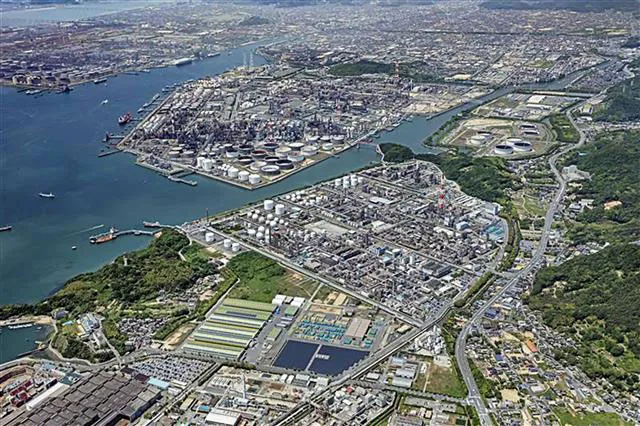
Japan is undergoing a decisive shift toward recycled plastics and bioplastics, driven by marine plastics concerns, hygiene awareness post-pandemic, and regulatory reforms. The Sustainable Plastics Initiative (SusPla), founded in 2024, unites recyclers, manufacturers, universities, and government agencies to build a “circular ecosystem” for plastics resources.
Leading companies are advancing recycling: Kao raised its recycling rate from 1% in 2021 to 8% in 2024 and aims to peak fossil-derived plastics use by 2030. Konica Minolta launched recycled plastics manufacturing using AI and sensing technologies. PET bottle recycling is now mainstream, while bioplastics adoption is expanding in packaging, food service, and automotive.
Japan’s Plastics Resources Recycling Strategy (2019) set a target of 2 million tons of bioplastics by 2030. Certification systems like ISCC PLUS are spreading, ensuring supply chain accountability. Starbucks Japan replaced paper straws with bioplastics, citing lower CO₂ emissions and reduced waste.
In automotive, recycled materials are gaining traction despite strict specifications. The European End-of-Life Vehicle (ELV) regulations are pushing Japanese OEMs and Tier 1 suppliers to adopt PCR, PIR, and biomass materials, with emphasis on easy-to-disassemble designs.
Challenges remain: domestic plastics production fell to 8.396 million tons in 2024, down 21% from a decade ago, while imports (notably PET from Taiwan, region of China) are rising. Discussions on restructuring Japan’s aging petrochemical complexes continue.
Japan is strengthening its circular economy framework, combining regulatory enforcement, advanced recycling technologies, and bioplastics innovation, with automotive and packaging sectors leading the transformation.