Please note that the auto-translation function (beta) uses the 3rd-party tool to translate contents based on the English version of the website and it may occur incorrect results sometimes.
x

2027·4·13 - 16
Shenzhen World Exhibition & Convention Center (Bao'an), PR China

Quick Links:
Top Search Exhibitor
Market News
EU’s Strictest Packaging Regulation PPWR Takes Effect: Compliant Packaging Becomes a Mandatory Requirement for Market Access from 12 August 2026
Publish date: 2026-09-15
On 12 August 2026, the EU Packaging and Packaging Waste Regulation (PPWR) entered into force, fully replacing the nearly 30-year-old Packaging and Packaging Waste Directive (94/62/EC). The upgrade from a Directive to a Regulation brings stricter enforcement and more uniform standards. Only packaging that complies with PPWR may be legally placed on the EU market.
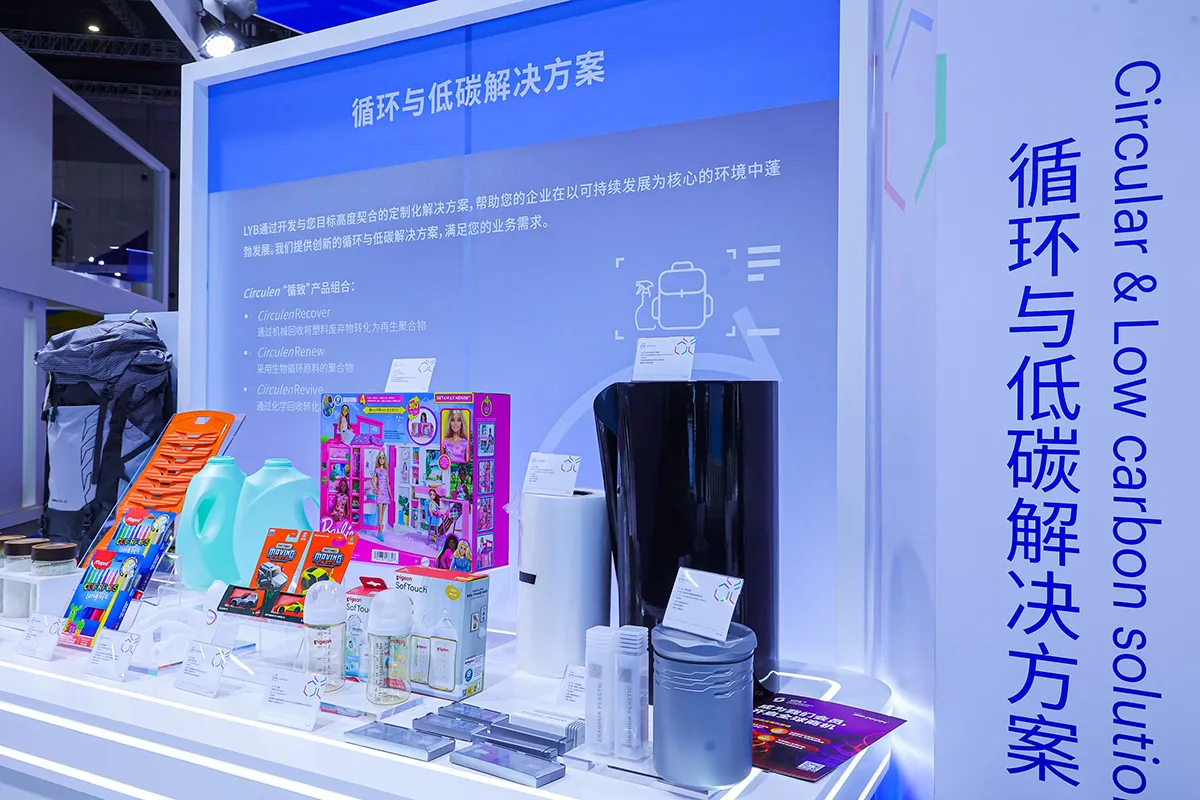
Broad Scope of Application
Regardless of where a product or its packaging is manufactured, compliance is required once it is placed on the EU market. The regulation covers retail packaging, e-commerce cushioning materials, industrial stretch film, cartons, plastic bottles, composite films and other formats. It applies across food, cosmetics, home appliances, automotive parts, medical devices and cross-border e-commerce, encompassing both online and offline sales channels.
Regardless of where a product or its packaging is manufactured, compliance is required once it is placed on the EU market. The regulation covers retail packaging, e-commerce cushioning materials, industrial stretch film, cartons, plastic bottles, composite films and other formats. It applies across food, cosmetics, home appliances, automotive parts, medical devices and cross-border e-commerce, encompassing both online and offline sales channels.
Full Lifecycle Control
PPWR extends beyond end-of-life recycling to address material composition, recyclability, reuse and responsibility allocation. Companies must provide technical documentation and clarify recycling obligations, transforming packaging into an identifiable and traceable compliance object.
PPWR extends beyond end-of-life recycling to address material composition, recyclability, reuse and responsibility allocation. Companies must provide technical documentation and clarify recycling obligations, transforming packaging into an identifiable and traceable compliance object.
Core Requirements for Companies
- Heavy metal limits: The total content of lead, cadmium, mercury and hexavalent chromium must not exceed 100 mg/kg.
- PFAS restrictions for food-contact packaging: Individual PFAS substances < 25 ppb (excluding PFAS polymers); sum of targeted PFAS < 250 ppb (excluding PFAS polymers); total PFAS < 50 ppm (including PFAS polymers). Proof is required if limits are exceeded.
- Mandatory recyclability: All packaging placed on the market from the effective date must be recyclable.
- Compulsory EPR registration: Packaging exported to the EU must complete Extended Producer Responsibility (EPR) registration in the country of sale. Non-EU companies must appoint an authorized representative.
Note: 12th August, 2026 marks only the starting point for basic compliance. Requirements on recycled content and recyclability grades will tighten further by 2030. Companies are advised to plan long-term packaging upgrades at an early stage.
Key Future Milestones
- 2028: Packaging must adopt a unified labelling format indicating material and sorting information.
- 2030: Packaging must achieve recyclability grades A (≥95%), B (≥80%) or C (≥70%); plastic packaging must meet specified post-consumer recycled (PCR) content targets; packaging volume must be reduced to the functional minimum, with empty space in e-commerce and transport packaging limited to 50%.
PPWR elevates packaging from a supporting accessory to a mandatory market-access condition. In the short term, companies will face costs related to material substitution, testing, certification and registration. Over the longer term, the regulation is expected to drive green transformation of supply chains and enhance competitiveness.
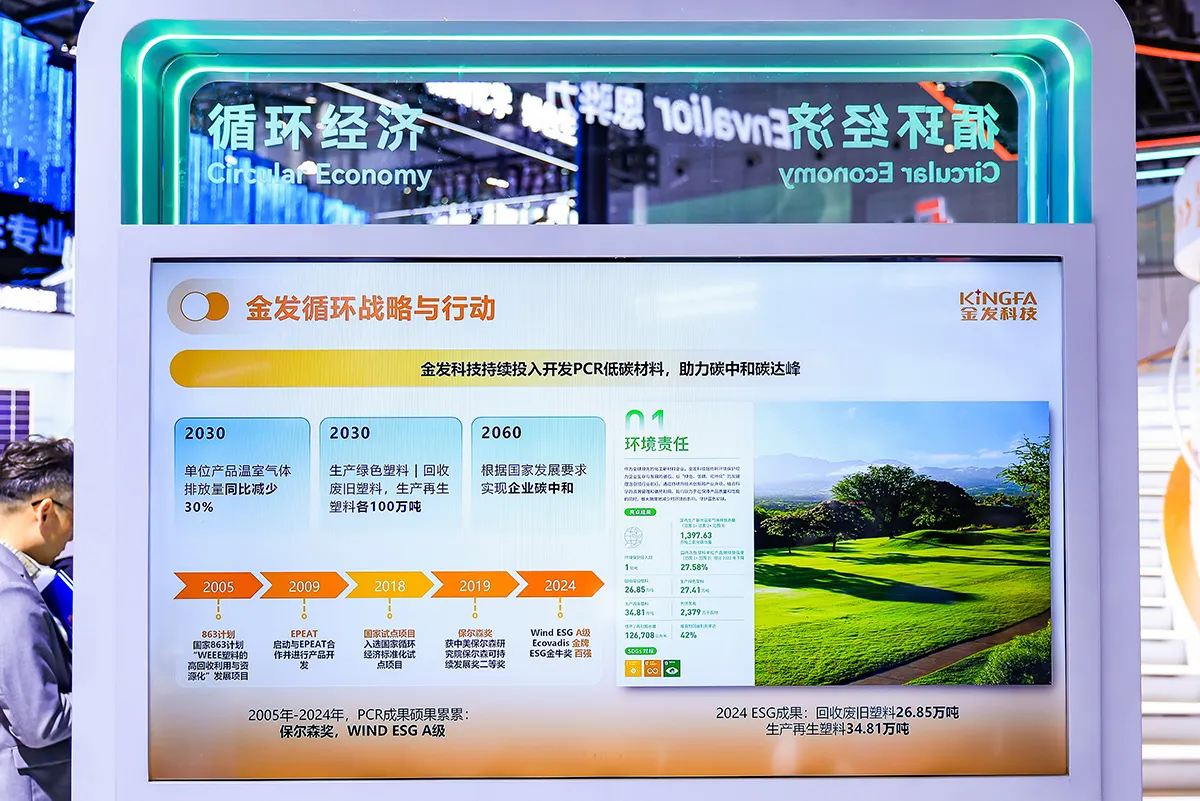
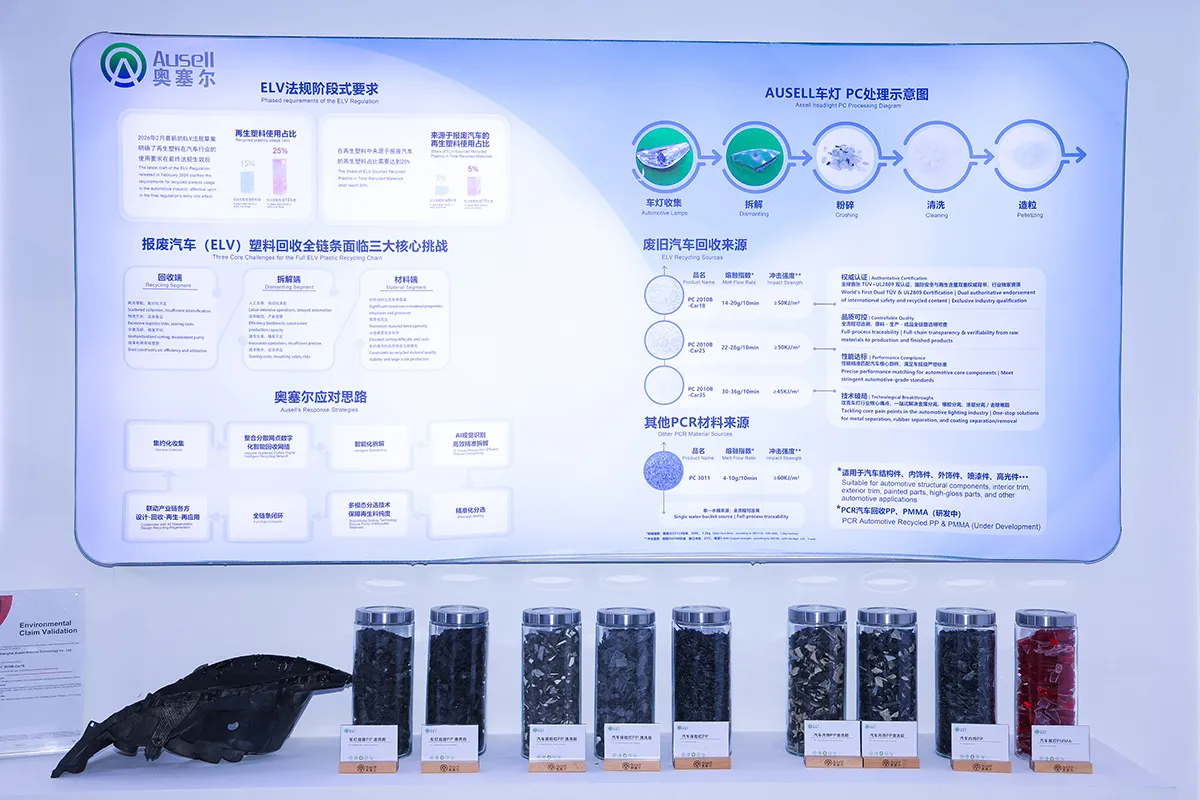
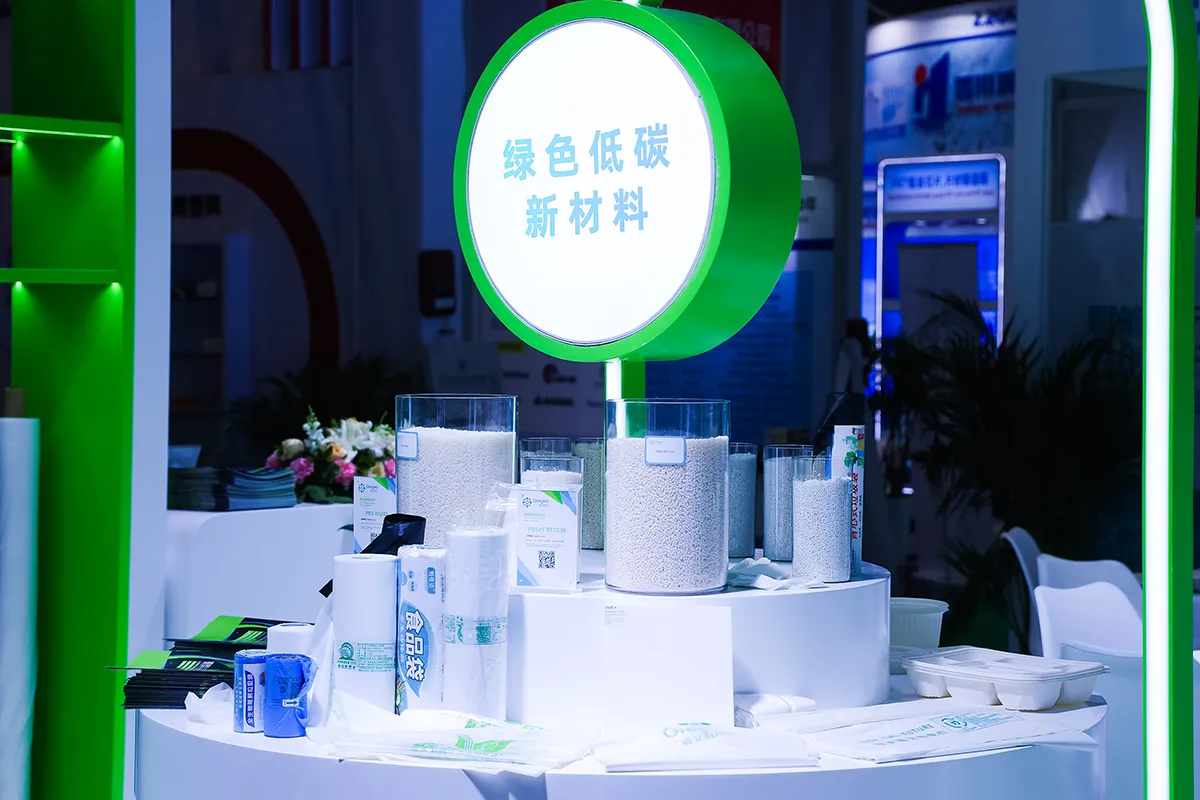
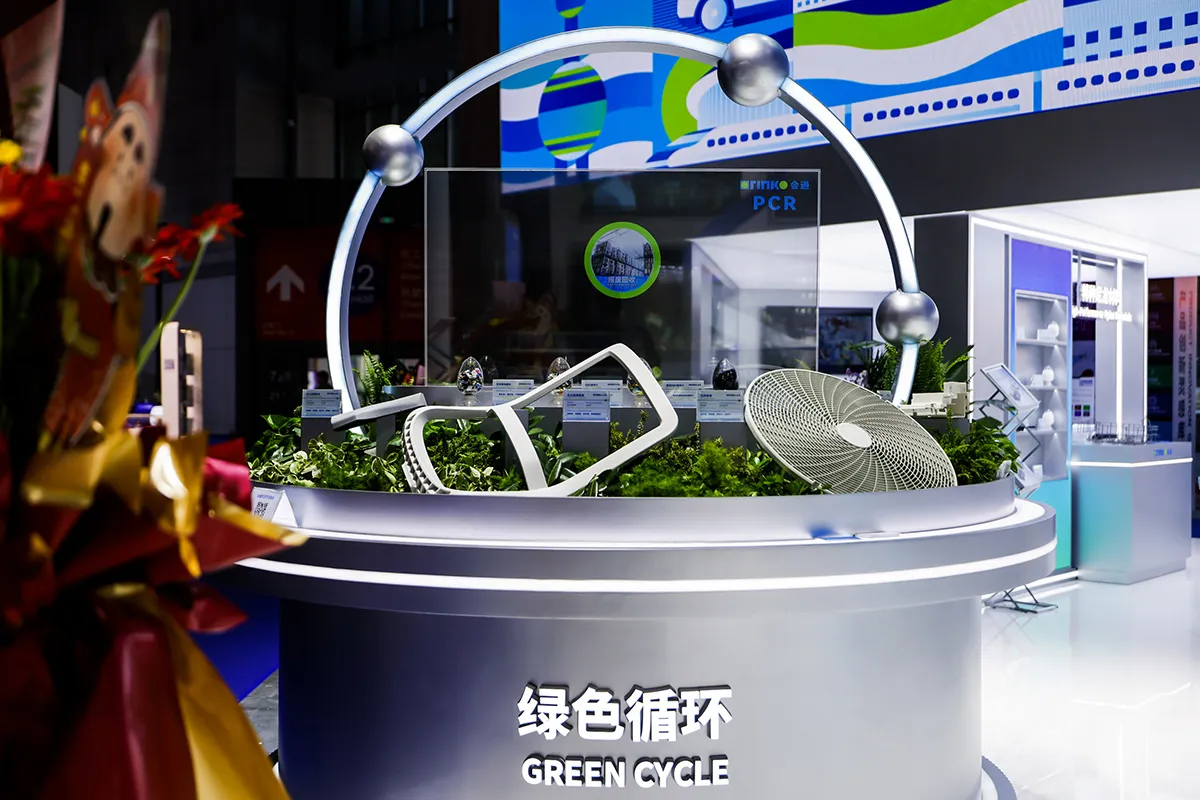
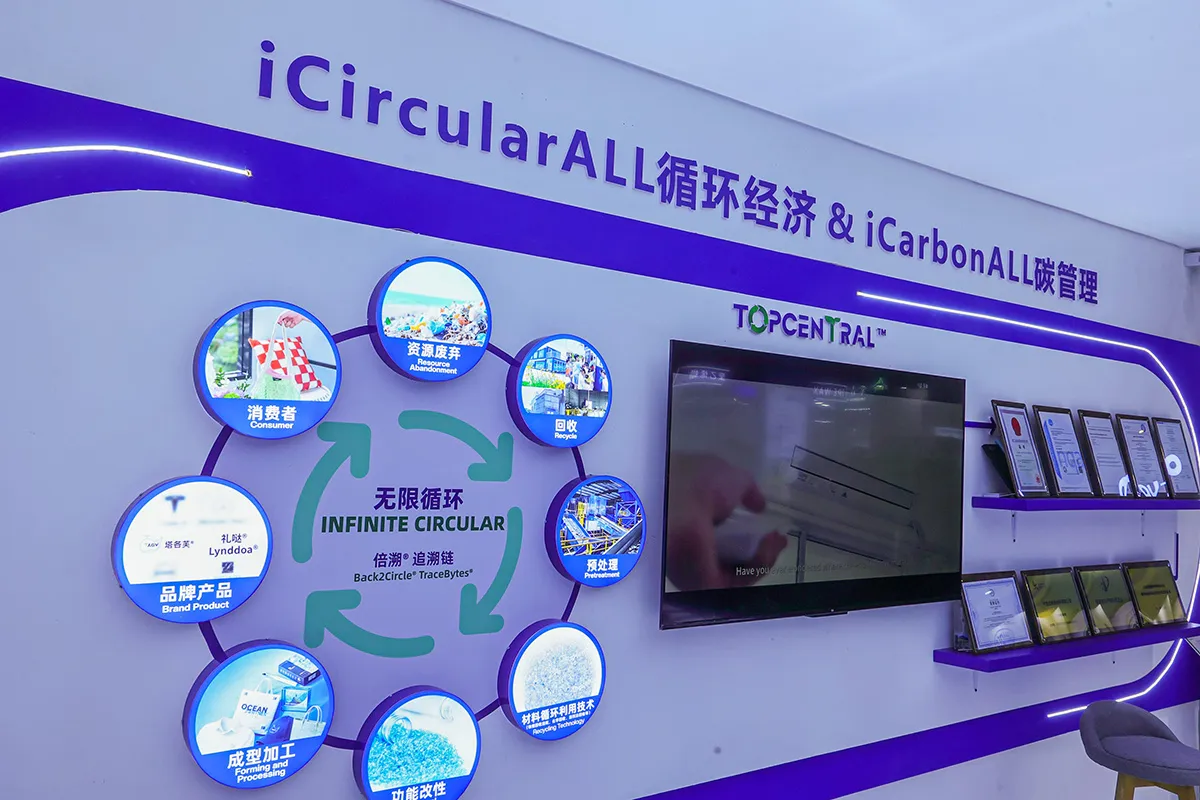
Exhibits at CHINAPLAS 2026
CHINAPLAS 2027
April 13–16, 2027 | Shenzhen World Exhibition & Convention Center (Bao’an)
Bringing together leading global exhibitors to present innovative materials, equipment and processing technologies, supporting the development of the circular economy and sustainable packaging. Trade visitors are welcome to pre-register.
April 13–16, 2027 | Shenzhen World Exhibition & Convention Center (Bao’an)
Bringing together leading global exhibitors to present innovative materials, equipment and processing technologies, supporting the development of the circular economy and sustainable packaging. Trade visitors are welcome to pre-register.
(Source materials compiled from relevant institutions and media. Organized by CHINAPLAS. Please credit the source when reprinting.)
FAQ
How does PPWR differ from the previous packaging directive?
PPWR is a regulation with direct legal effect. Following the replacement of the former directive, enforcement is stricter and standards more uniform. All packaging placed on the EU market must comply.
What should non-EU companies note when exporting to the EU?
Compliance is required regardless of origin once products are placed on the EU market. Key points include heavy metal limits, PFAS restrictions, recyclability requirements, EPR registration and the appointment of an EU authorized representative.
What are the key requirements for plastic packaging under PPWR?
Packaging must be recyclable and meet specified recycled-content targets from 2030, while also complying with reduction and empty-space rules. Innovative recyclable materials will be critical for compliance. CHINAPLAS serves as an important platform for related technical exchange.