Please note that the auto-translation function (beta) uses the 3rd-party tool to translate contents based on the English version of the website and it may occur incorrect results sometimes.
x

2027·4·13 - 16
Shenzhen World Exhibition & Convention Center (Bao'an), PR China

Quick Links:
Top Search Exhibitor
Top Search Product Category
Market News
New Catalysts Open Low-Carbon Path for Plastics
Publish date: 2026-02-28
China has developed iron-based catalysts that convert coal or syngas directly into olefins — the key building blocks of PE, PP, and synthetic rubber — offering a potential alternative to oil-based routes.
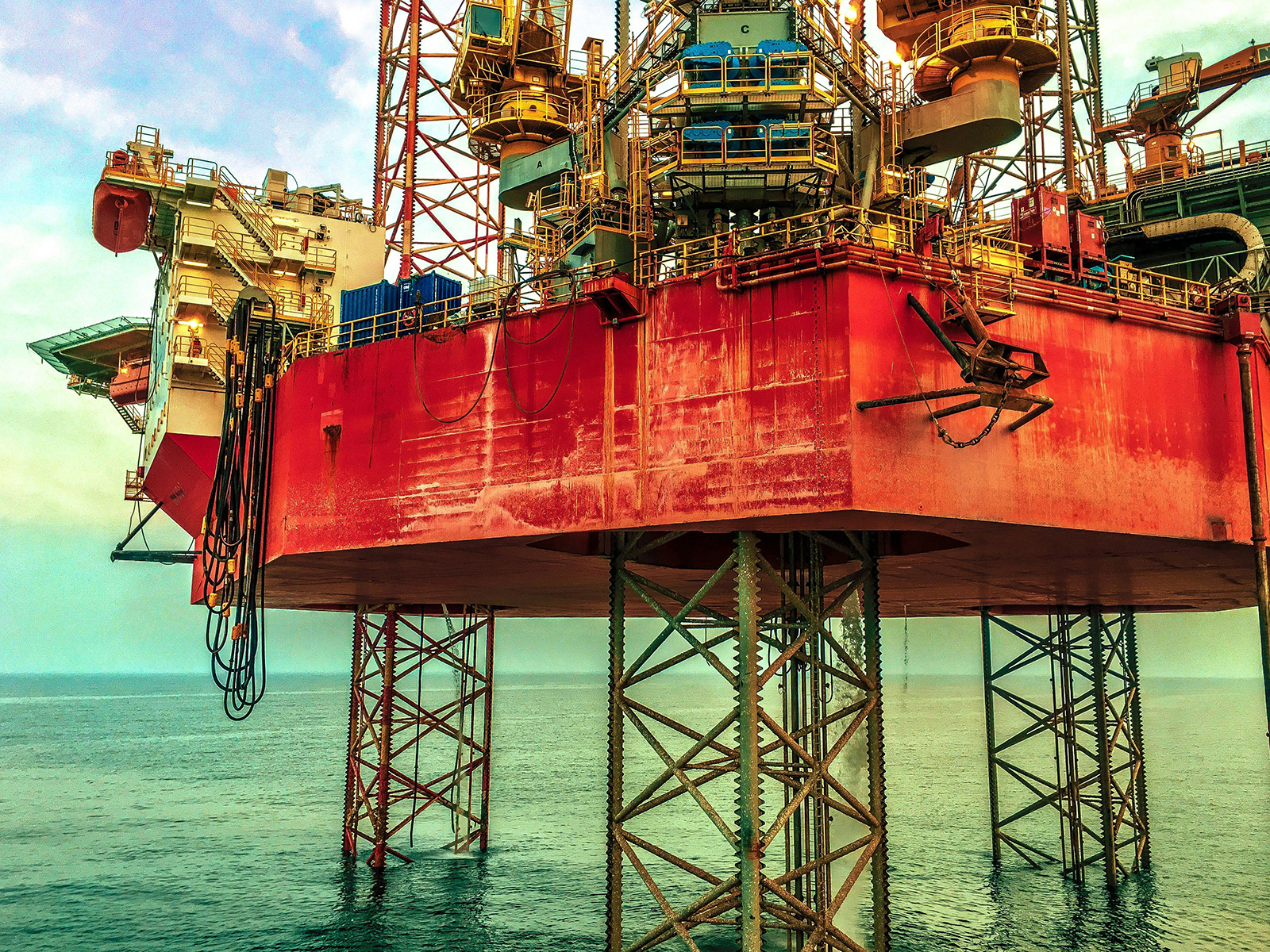 Syngas → Olefins
A new χ-Fe₅C₂ catalyst enables efficient olefin production from syngas, reducing reliance on petroleum cracking and improving feedstock security. The catalyst delivers up to 100× higher activity, fewer by-products, and better carbon efficiency — paving the way for lower-carbon plastics production. If industrialized, this technology could support:
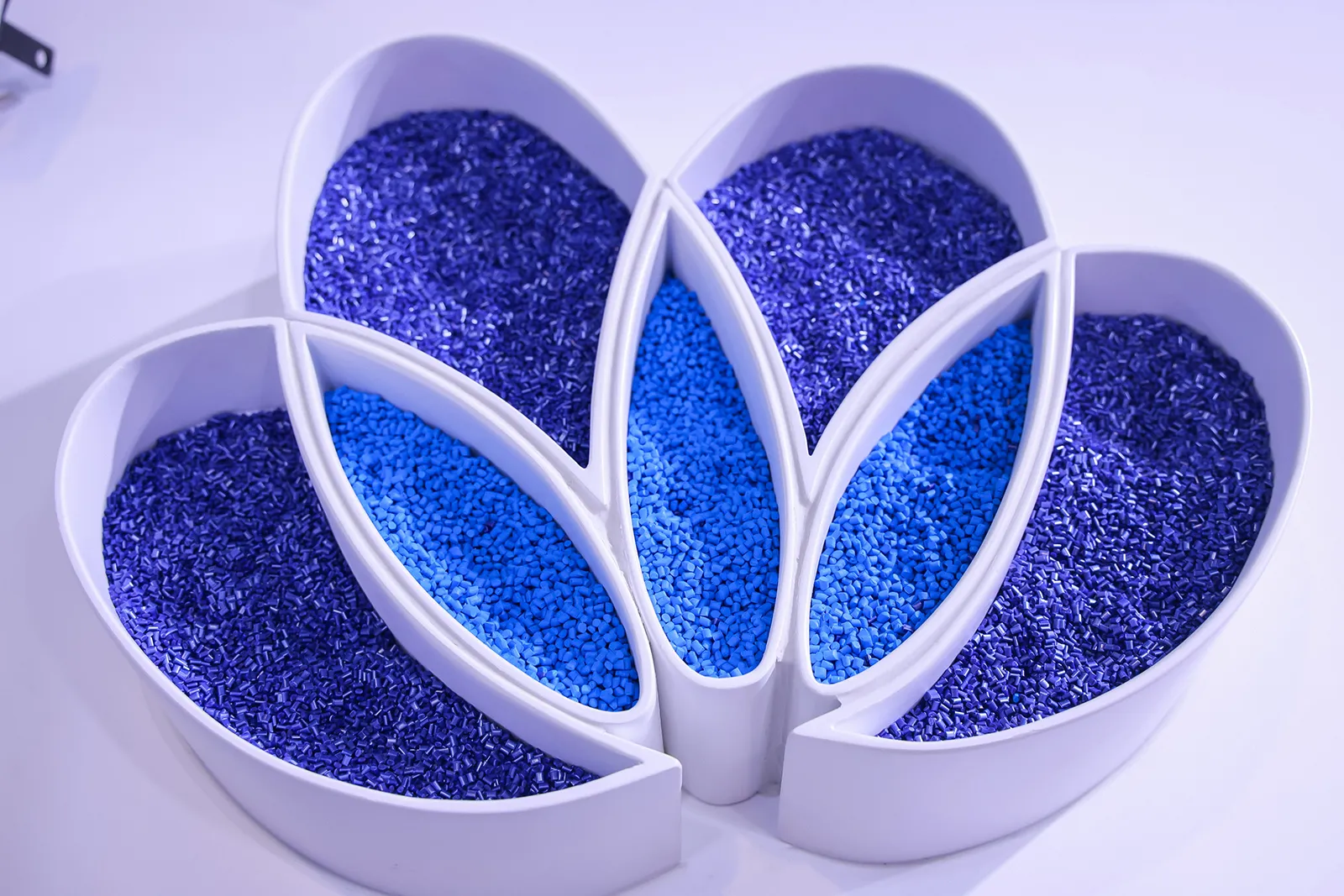 CHINAPLAS 2026, the China plastics and rubber show will showcase innovations aligned with this trend, including 1) Low-carbon olefin solutions; 2) Next-gen catalytic technologies; 3) Syngas-derived materials.
to unlock early-bird benefits and explore the new plastics materials innovations!
A new χ-Fe₅C₂ catalyst enables efficient olefin production from syngas, reducing reliance on petroleum cracking and improving feedstock security. The catalyst delivers up to 100× higher activity, fewer by-products, and better carbon efficiency — paving the way for lower-carbon plastics production. If industrialized, this technology could support:
Low-carbon PE/PP and rubbers
Stronger, more diversified supply chains
Greener materials for packaging, automotive & electronics
This shift would redefine plastics production from the source
to unlock early-bird benefits and explore the new plastics materials innovations!